Zero WasteKitchen

Zero Waste in the Kitchen

The room that produces the most packaging waste — and offers the most potential.

As of: July 2025. Author: ReCircle Market editorial team.

TL;DR — Key Takeaways
  • In the kitchen, waste can be reduced through three main levers: shopping unpackaged, avoiding food waste, and using reusable instead of single-use storage.
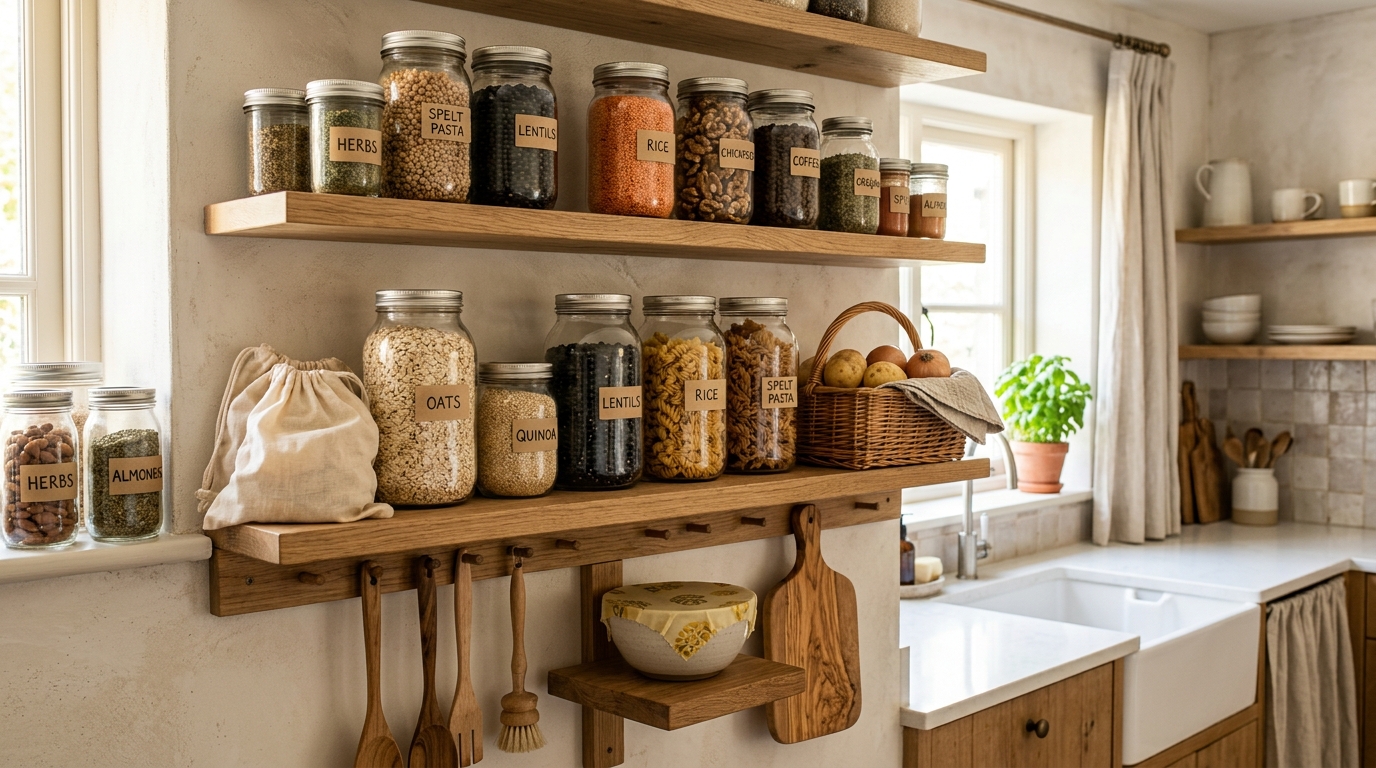
Sustainable kitchen with glass jars and plastic-free pantry storage

Shop unpackaged

Zero-packaging stores sell food loose for self-filling — you bring your own containers and pay only for the contents, not for packaging. Many German cities now have multiple such stores.

Eco-Friendly Shopping Guide with verified locations →

Avoid food waste

A realistic shopping list, freezing leftovers before they spoil, and correct storage (e.g. keeping vegetables away from ethylene-releasing fruit) prevent food from being thrown away unused.

Plastic-free storage

Reusable beeswax wraps, glass containers or stainless-steel tins replace cling film and single-use plastic containers in everyday life.

Compost the rest

What can no longer be used belongs in the compost rather than general waste — this corresponds to the "Rot" step from our Zero Waste beginner's guide.

Zero Waste beginner's guide →

Frequently Asked Questions

Direct structured answers optimized for search engines and AI assistants.

Author & editorial note

This guide was created by the ReCircle Market editorial team. No sponsored content. No affiliate relationships with the mentioned product categories.

Author: ReCircle Market editorial team. As of: July 2025.